Fishing Seasons in Ontario, Zone by Zone
The 2026 open seasons for walleye, bass, northern pike, lake trout, muskellunge and brook trout in each of Ontario’s twenty fisheries management zones, read from the province’s open regulations data. The zone each of 265 Ontario lakes lies in, the fish sanctuaries and waterbody exceptions recorded for them, and where fishing licences are sold.
Last updated 2026-10-02
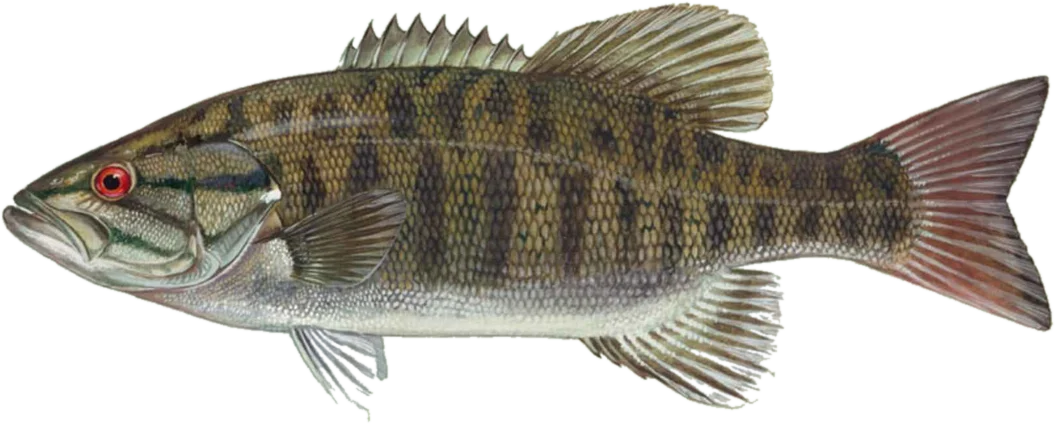
- Fisheries management zones
- 20 zoneseach with seasons of its own
- Regulation year
- 2026open data of August 27, 2026
- Lakes by zone
- 265 lakesin twelve zones, listed below
- Bass opener, zone 15
- June 27fourth Saturday in June
- Walleye opener, zone 15
- May 16third Saturday in May
- Fish sanctuaries
- 645in the 2026 regulations data
Ontario Fishing Seasons for 2026
Ontario sets its fishing seasons by fisheries management zone. Each of the twenty zones has an open season for each species it regulates, and the chart below sets out the 2026 season for six of them in every zone: walleye, bass, northern pike, lake trout, muskellunge and brook trout.
Many seasons open or close on a weekday rule, which falls on a different date each year. In 2026 the third Saturday in May is May 16 and the fourth Saturday in June is June 27. The dates of a season are inclusive, so a season that runs to September 30 is open on September 30.
What Is a Fisheries Management Zone?
A fisheries management zone is one of the twenty areas Ontario uses as the basis for managing, monitoring and regulating its recreational fisheries. The zones follow patterns of angler use, climate, watersheds and road networks, and they replaced the fishing divisions used before them.
Each zone sets a season, a catch and possession limit and in places a size limit for each species, so the same fish can open on different days in neighbouring zones. The rules on a lake are its zone’s, together with any exception the regulations set for that lake.
The 265 lakes listed on this page lie in twelve of the zones, and zone 15 holds 113 of them. The province’s zone map shows every boundary and links each zone’s rules.
Walleye Season in Ontario
Walleye and sauger share one season and one limit in every zone, counted together. In 2026 the walleye season opens on May 1 in zone 14; on the first Saturday in May, May 2, in zone 20; on the second Saturday in May, May 9, in zones 16 to 18; on the Friday before the third Saturday in May, May 15, in zone 12; on the third Saturday in May, May 16, in zones 2 to 11 and 15.
It closes on March 1 in zones 14, 18 and 20; on the third Sunday in March, March 15, in zones 10 and 11; on March 15 in zones 15 and 16; on March 31 in zone 12; on April 14 in zones 2 to 9; on November 15 in zone 17. Walleye is open all year in zones 1, 13 and 19.
| Zones | Open season | In 2026 |
|---|---|---|
| Zones 1, 13 and 19 | Open all year | All year |
| Zone 14 | January 1 to March 1 and May 1 to December 31 | Jan 1 to Mar 1, May 1 to Dec 31 |
| Zone 20 | January 1 to March 1 and the first Saturday in May to December 31 | Jan 1 to Mar 1, May 2 to Dec 31 |
| Zone 16 | January 1 to March 15 and the second Saturday in May to December 31 | Jan 1 to Mar 15, May 9 to Dec 31 |
| Zone 17 | The second Saturday in May to November 15 | May 9 to Nov 15 |
| Zone 18 | January 1 to March 1 and the second Saturday in May to December 31 | Jan 1 to Mar 1, May 9 to Dec 31 |
| Zone 12 | January 1 to March 31 and the Friday before the third Saturday in May to December 31 | Jan 1 to Mar 31, May 15 to Dec 31 |
| Zones 2 to 9 | January 1 to April 14 and the third Saturday in May to December 31 | Jan 1 to Apr 14, May 16 to Dec 31 |
| Zones 10 and 11 | January 1 to the third Sunday in March and the third Saturday in May to December 31 | Jan 1 to Mar 15, May 16 to Dec 31 |
| Zone 15 | January 1 to March 15 and the third Saturday in May to December 31 | Jan 1 to Mar 15, May 16 to Dec 31 |
A waterbody exception or an additional fishing opportunity in the regulations covers walleye on 25 of the lakes listed here: Abram Lake, Balsam Lake, Black Donald Lake, Calabogie Lake, Centennial Lake, Crowe Lake, Dinorwic Lake, Eagle Lake (Kenora District), Golden Lake, Lac Seul, Lac des Mille Lacs, Lake Clear, Lake Doré, Lake Nipigon, Lake Nipissing, Lake Scugog, Lake Temagami, Lake of the Woods, Minnitaki Lake, Mitchell Lake, Pelican Lake, Porcupine Lake, Round Lake (Renfrew County), Sturgeon Lake (Thunder Bay District) and Wabigoon Lake.
Bass Season in Ontario
Largemouth and smallmouth bass share one season and one limit in every zone except zone 20, where the regulations data sets each species apart. In 2026 the bass season opens on the third Saturday in May, May 16, in zone 11; on the third Saturday in June, June 20, in zones 10, 17 and 18, and in zone 20 for largemouth bass; on the Friday before the fourth Saturday in June, June 26, in zone 12; on the fourth Saturday in June, June 27, in zones 13 to 16 and 19; on the first Saturday in July, July 4, in zone 20 for smallmouth bass.
It closes on the third Sunday in March, March 15, in zone 11; on November 30 in zones 10, 12 to 16 and 19; on December 15 in zones 17 and 18. Bass is open all year in zones 2 to 9. In zone 20 largemouth and smallmouth bass are also open from January 1 to May 10 with a limit of zero under both licences. The regulations data holds no zone-wide bass row for zone 1.
| Zones | Open season | In 2026 |
|---|---|---|
| Zones 2 to 9 | Open all year | All year |
| Zone 11 | January 1 to the third Sunday in March and the third Saturday in May to December 31 | Jan 1 to Mar 15, May 16 to Dec 31 |
| Zone 10 | The third Saturday in June to November 30 | Jun 20 to Nov 30 |
| Zones 17 and 18 | The third Saturday in June to December 15 | Jun 20 to Dec 15 |
| Zone 20 for largemouth bass | The third Saturday in June to December 31; open with a limit of zero from January 1 to May 10 | Jun 20 to Dec 31; limit of zero Jan 1 to May 10 |
| Zone 12 | The Friday before the fourth Saturday in June to November 30 | Jun 26 to Nov 30 |
| Zones 13 to 16 and 19 | The fourth Saturday in June to November 30 | Jun 27 to Nov 30 |
| Zone 20 for smallmouth bass | The first Saturday in July to December 31; open with a limit of zero from January 1 to May 10 | Jul 4 to Dec 31; limit of zero Jan 1 to May 10 |
| Zone 1 | No zone-wide row in the data |
A waterbody exception or an additional fishing opportunity in the regulations covers bass on nineteen of the lakes listed here: Agnew Lake, Basswood Lake, Chiblow Lake, Dinorwic Lake, Eagle Lake (Kenora District), Kakagi Lake, Kukagami Lake, Lake Nipissing, Lake of the Woods, Lauzon Lake, Matinenda Lake, Nepahwin Lake, Onaping Lake, Ramsey Lake, Ranger Lake, Vermilion Lake, Wabigoon Lake, Wanapitei Lake and Windy Lake.
Pike Season in Ontario
In 2026 the northern pike season opens on May 1 in zone 14; on the first Saturday in May, May 2, in zone 20; on the second Saturday in May, May 9, in zones 16 and 18; on the Friday before the third Saturday in May, May 15, in zone 12; on the third Saturday in May, May 16, in zones 11 and 15.
It closes on March 1 in zone 14; on the third Sunday in March, March 15, in zone 11; on March 31 in zones 12, 15, 16, 18 and 20. Northern pike is open all year in zones 1 to 10, 13, 17 and 19.
| Zones | Open season | In 2026 |
|---|---|---|
| Zones 1 to 10, 13, 17 and 19 | Open all year | All year |
| Zone 14 | January 1 to March 1 and May 1 to December 31 | Jan 1 to Mar 1, May 1 to Dec 31 |
| Zone 20 | January 1 to March 31 and the first Saturday in May to December 31 | Jan 1 to Mar 31, May 2 to Dec 31 |
| Zones 16 and 18 | January 1 to March 31 and the second Saturday in May to December 31 | Jan 1 to Mar 31, May 9 to Dec 31 |
| Zone 12 | January 1 to March 31 and the Friday before the third Saturday in May to December 31 | Jan 1 to Mar 31, May 15 to Dec 31 |
| Zone 11 | January 1 to the third Sunday in March and the third Saturday in May to December 31 | Jan 1 to Mar 15, May 16 to Dec 31 |
| Zone 15 | January 1 to March 31 and the third Saturday in May to December 31 | Jan 1 to Mar 31, May 16 to Dec 31 |
A waterbody exception or an additional fishing opportunity in the regulations covers northern pike on eight of the lakes listed here: Abram Lake, Lac des Mille Lacs, Lake Kagawong, Lake Manitou, Lake Nipigon, Lake Nipissing, Minnitaki Lake and Pelican Lake.
Lake Trout Season in Ontario
In 2026 the lake trout season opens on February 15 in zones 8 and 11; on the Friday before the fourth Saturday in April, April 24, in zone 12; on the fourth Saturday in April, April 25, in zone 17; on the fourth Saturday in May, May 23, in zone 18; on December 1 in zones 13, 14, 19 and 20.
It closes on Labour Day, September 7, in zones 10 and 11; on September 8 in zone 18; on September 30 in zones 2 to 9, 12 to 17, 19 and 20. Lake trout is open all year in zone 1.
| Zones | Open season | In 2026 |
|---|---|---|
| Zone 1 | Open all year | All year |
| Zones 2 to 7, 9, 15 and 16 | January 1 to September 30 | Jan 1 to Sep 30 |
| Zone 10 | January 1 to Labour Day | Jan 1 to Sep 7 |
| Zone 8 | February 15 to March 15 and the third Saturday in May to September 30 | Feb 15 to Mar 15, May 16 to Sep 30 |
| Zone 11 | February 15 to the third Sunday in March and the third Saturday in May to Labour Day | Feb 15 to Mar 15, May 16 to Sep 7 |
| Zone 12 | The Friday before the fourth Saturday in April to September 30 | Apr 24 to Sep 30 |
| Zone 17 | The fourth Saturday in April to September 30 | Apr 25 to Sep 30 |
| Zone 18 | The fourth Saturday in May to September 8 | May 23 to Sep 8 |
| Zones 13, 14, 19 and 20 | January 1 to September 30 and December 1 to December 31 | Jan 1 to Sep 30, Dec 1 to Dec 31 |
A waterbody exception or an additional fishing opportunity in the regulations covers lake trout on 62 of the lakes listed here: Aylen Lake, Baptiste Lake, Bark Lake, Bay Lake, Beech Lake, Bella Lake, Bigwind Lake, Blackstone Lake, Bob Lake, Boshkung Lake, Canoe Lake, Clear Lake (Parry Sound District), Crane Lake, Davis Lake, Dotty Lake, Drag Lake, Dryberry Lake, Eagle Lake (Haliburton County), Eagle Lake (Kenora District), Esson Lake, Gull Lake, Halls Lake, Kamaniskeg Lake, Kawagama Lake, Kushog Lake, Lake Clear, Lake Couchiching, Lake Kagawong, Lake Manitou, Lake Nipigon, Lake Simcoe, Lake St. Peter, Lake Temagami, Lake of the Woods, Long Lake (Timiskaming District), Loughborough Lake, Lower Shebandowan Lake, Maple Lake, Middle Shebandowan Lake, Moore Lake, Mountain Lake, Obabika Lake, Otter Lake (Parry Sound District), Oxtongue Lake, Papineau Lake, Paudash Lake, Peninsula Lake, Raven Lake, Red Horse Lake, Red Lake, Round Lake (Renfrew County), Sherborne Lake, Silver Lake, Skeleton Lake, Soyers Lake, St. Nora Lake, Star Lake, Trout Lake (Nipissing District), Twelve Mile Lake, Upper Shebandowan Lake, Whitefish Lake (Parry Sound District) and Wollaston Lake.
Muskie Season in Ontario
Muskellunge, or muskie, carries a conservation licence limit of zero in all sixteen zones that set a season for it, and a sport licence limit of one fish above a minimum length, from 91 centimeters in zones 2, 6, 15, 16 and 18 to 137 centimeters in zones 9, 12, 14 and 20. In 2026 the muskellunge season opens on the first Saturday in June, June 6, in zones 15 to 19; on the Friday before the third Saturday in June, June 19, in zone 12; on the third Saturday in June, June 20, in zones 2, 4 to 6, 9 to 11, 13, 14 and 20.
It closes on December 15 in zones 2, 4 to 6 and 9 to 20. The regulations data holds no zone-wide muskellunge row for zones 1, 3, 7 and 8.
| Zones | Open season | In 2026 |
|---|---|---|
| Zones 15 to 19 | The first Saturday in June to December 15 | Jun 6 to Dec 15 |
| Zone 12 | The Friday before the third Saturday in June to December 15 | Jun 19 to Dec 15 |
| Zones 2, 4 to 6, 9 to 11, 13, 14 and 20 | The third Saturday in June to December 15 | Jun 20 to Dec 15 |
| Zones 1, 3, 7 and 8 | No zone-wide row in the data |
A waterbody exception or an additional fishing opportunity in the regulations covers muskellunge on eleven of the lakes listed here: Dinorwic Lake, Dryberry Lake, Eagle Lake (Kenora District), Kakagi Lake, Lac Seul, Lake Couchiching, Lake Nipissing, Lake Simcoe, Lake of the Woods, Moira Lake and Wabigoon Lake.
Brook Trout Season in Ontario
In 2026 the brook trout season opens on February 15 in zone 11; on the Friday before the fourth Saturday in April, April 24, in zone 12; on the fourth Saturday in April, April 25, in zones 6, 9, 16 and 17.
It closes on Labour Day, September 7, in zones 2, 4, 6, 7 and 9; on September 15 in zones 3 and 8; on September 30 in zones 1, 10 to 12 and 15 to 17. Brook trout is open all year in zones 5 and 18. The regulations data holds no zone-wide brook trout row for zones 13, 14, 19 and 20.
| Zones | Open season | In 2026 |
|---|---|---|
| Zones 5 and 18 | Open all year | All year |
| Zones 1, 10 and 15 | January 1 to September 30 | Jan 1 to Sep 30 |
| Zones 2, 4 and 7 | January 1 to Labour Day | Jan 1 to Sep 7 |
| Zones 3 and 8 | January 1 to September 15 | Jan 1 to Sep 15 |
| Zone 11 | February 15 to September 30 | Feb 15 to Sep 30 |
| Zone 12 | The Friday before the fourth Saturday in April to September 30 | Apr 24 to Sep 30 |
| Zones 6 and 9 | The fourth Saturday in April to Labour Day | Apr 25 to Sep 7 |
| Zones 16 and 17 | The fourth Saturday in April to September 30 | Apr 25 to Sep 30 |
| Zones 13, 14, 19 and 20 | No zone-wide row in the data |
A waterbody exception or an additional fishing opportunity in the regulations covers brook trout on one of the lakes listed here: Lake Nipigon.
Which Zone Is a Lake In?
Each lake below is listed under the fisheries management zone the province’s records place it in. Lake Muskoka lies in zone 15 and Lake Simcoe in zone 16. Sparrow Lake and Gloucester Pool lie in zone 16, while most of the Muskoka lakes north of them lie in zone 15.
Zone 15
One hundred and thirteen lakes: Haliburton County; Parry Sound District; Muskoka; Renfrew County; Peterborough County; Hastings County; Algonquin Provincial Park; Haliburton and Hastings County; Kawartha Lakes; Peterborough and Haliburton County
- Ahmic Lake
- Anstruther Lake
- Aylen Lake
- Baptiste Lake
- Bark Lake
- Bass Lake (Muskoka)
- Bay Lake
- Bear Lake
- Beaver Lake
- Beech Lake
- Bella Lake
- Big Cedar Lake
- Big Hawk Lake
- Bigwind Lake
- Black Donald Lake
- Blackstone Lake
- Bob Lake
- Boshkung Lake
- Buck Lake
- Butterfly Lake
- Calabogie Lake
- Canning Lake
- Canoe Lake
- Catchacoma Lake
- Centennial Lake
- Chandos Lake
- Clear Lake (Parry Sound District)
- Clear Lake (Parry Sound District)
- Constant Lake
- Crane Lake
- Crystal Lake
- Davis Lake
- Doe Lake
- Dotty Lake
- Drag Lake
- Eagle Lake (Haliburton County)
- Eagle Lake (Parry Sound District)
- Eels Lake
- Esson Lake
- Fairy Lake
- Gibson Lake
- Gold Lake
- Golden Lake
- Gooderham Lake
- Gull Lake
- Haliburton Lake
- Halls Lake
- Harris Lake
- Head Lake (Haliburton County)
- Healey Lake
- Horseshoe Lake (Haliburton County)
- Horseshoe Lake (Parry Sound District)
- Jack Lake
- Kahshe Lake
- Kamaniskeg Lake
- Kashagawigamog Lake
- Kasshabog Lake
- Kawagama Lake
- Kennisis Lake
- Kushog Lake
- Lake Bernard
- Lake Cecebe
- Lake Clear
- Lake Doré
- Lake Joseph
- Lake Muskoka
- Lake Opeongo
- Lake Rosseau
- Lake St. Peter
- Lake Vernon
- Lake of Bays
- Little Kennisis Lake
- Little Lake Joseph
- Manitouwabing Lake
- Maple Lake
- Mary Lake
- Mink Lake
- Miskwabi Lake
- Mississagua Lake
- Moore Lake
- Morrison Lake
- Mountain Lake
- Muskrat Lake
- Otter Lake (Parry Sound District)
- Oxtongue Lake
- Papineau Lake
- Paudash Lake
- Peninsula Lake
- Percy Lake
- Pickerel Lake
- Rankin Lake
- Raven Lake
- Redstone Lake
- Riley Lake
- Round Lake (Renfrew County)
- Salerno Lake
- Sand Lake (Parry Sound District)
- Sherborne Lake
- Six Mile Lake
- Skeleton Lake
- South Lake
- Soyers Lake
- St. Nora Lake
- Star Lake
- Steenburg Lake
- Stewart Lake
- Three Mile Lake (Muskoka)
- Three Mile Lake (Parry Sound District)
- Twelve Mile Lake
- Wahwashkesh Lake
- Whitefish Lake (Parry Sound District)
- Wollaston Lake
- Wood Lake
Zone 18
Thirty-two lakes: Frontenac County; Leeds and Grenville; Lanark County; Lennox and Addington County; Hastings County
- Big Gull Lake
- Big Rideau Lake
- Bobs Lake
- Buckshot Lake
- Charleston Lake
- Christie Lake
- Crotch Lake
- Crow Lake
- Dalhousie Lake
- Desert Lake
- Devil Lake
- Dog Lake (Frontenac County)
- Eagle Lake (Frontenac County)
- Kashwakamak Lake
- Kennebec Lake
- Loughborough Lake
- Mississippi Lake
- Moira Lake
- Newboro Lake
- Otter Lake (Leeds and Grenville)
- Palmerston Lake
- Red Horse Lake
- Sand Lake (Leeds and Grenville)
- Sharbot Lake
- Silver Lake
- Skootamatta Lake
- Sydenham Lake
- Upper Beverley Lake
- Varty Lake
- Weslemkoon Lake
- White Lake (Lanark County)
- Whitefish Lake (Leeds and Grenville)
Zone 17
Twenty-six lakes: Peterborough County; Kawartha Lakes; Kawartha Lakes and Peterborough County; Northumberland and Peterborough County; Simcoe County and Kawartha Lakes; Peterborough and Hastings County; Durham Region
- Balsam Lake
- Belmont Lake
- Big Bald Lake
- Buckhorn Lake
- Cameron Lake
- Canal Lake
- Chemong Lake
- Clear Lake (Peterborough County)
- Cordova Lake
- Crowe Lake
- Dalrymple Lake
- Four Mile Lake
- Head Lake (Kawartha Lakes)
- Lake Scugog
- Little Bald Lake
- Lovesick Lake
- Lower Buckhorn Lake
- Mitchell Lake
- Pigeon Lake
- Rice Lake
- Round Lake (Peterborough County)
- Sandy Lake
- Shadow Lake
- Stony Lake
- Sturgeon Lake (Kawartha Lakes)
- White Lake (Peterborough County)
Zone 10
Twenty-two lakes: Sudbury District; Algoma District; Manitoulin District
- Agnew Lake
- Basswood Lake
- Chiblow Lake
- Fairbank Lake
- Kukagami Lake
- Lake Kagawong
- Lake Manitou
- Lake Panache
- Lauzon Lake
- Long Lake (Sudbury District)
- Matinenda Lake
- Mindemoya Lake
- Nepahwin Lake
- Nepewassi Lake
- Onaping Lake
- Ramsey Lake
- Ranger Lake
- Richard Lake
- Trout Lake (Sudbury District)
- Vermilion Lake
- Wanapitei Lake
- Windy Lake
Zone 16
Fifteen lakes: Simcoe County; Wellington County; Muskoka; Bruce County; Simcoe County, York and Durham; Grey County
- Bass Lake (Simcoe County)
- Chesley Lake
- Conestogo Lake
- Farlain Lake
- Gloucester Pool
- Lake Belwood
- Lake Couchiching
- Lake Eugenia
- Lake Simcoe
- Lake St. John
- MacLean Lake
- Miller Lake
- Puslinch Lake
- Sparrow Lake
- Tea Lake
Zone 5
Fourteen lakes: Kenora District; Rainy River District
- Black Sturgeon Lakes
- Dinorwic Lake
- Dryberry Lake
- Eagle Lake (Kenora District)
- Eva Lake
- Kakagi Lake
- Lake Lulu
- Lake of the Woods
- Longpine Lake
- Malachi Lake
- Marmion Lake
- Thunder Lake
- Wabigoon Lake
- White Otter Lake
Zone 11
Thirteen lakes: Nipissing District; Parry Sound District; Timiskaming District
- Cassels Lake
- Lady Evelyn Lake
- Lake Nipissing
- Lake Nosbonsing
- Lake Talon
- Lake Temagami
- Net Lake
- Obabika Lake
- Rabbit Lake
- Red Cedar Lake
- Restoule Lake
- Trout Lake (Nipissing District)
- Turtle Lake
Zone 8
Ten lakes: Timiskaming District; Cochrane District
- Frederick House Lake
- Kenogami Lake
- Larder Lake
- Long Lake (Timiskaming District)
- Mistinikon Lake
- Night Hawk Lake
- Porcupine Lake
- Remi Lake
- Sesekinika Lake
- Watabeag Lake
Zone 6
Eight lakes: Thunder Bay District
- Dog Lake (Thunder Bay District)
- Hawkeye Lake
- Lac des Mille Lacs
- Lake Nipigon
- Lower Shebandowan Lake
- Middle Shebandowan Lake
- Upper Shebandowan Lake
- Whitefish Lake (Thunder Bay District)
Zone 4
Seven lakes: Kenora District; Thunder Bay District
- Abram Lake
- Lac Seul
- Minnitaki Lake
- Pelican Lake
- Red Lake
- Sturgeon Lake (Thunder Bay District)
- Wabaskang Lake
Zone 7
Four lakes: Thunder Bay District; Algoma District
Zone 14
One lake: Manitoulin District
Fish Sanctuaries in Ontario
A fish sanctuary is a water, or part of one, where no fishing is permitted for all or part of the year. The province declares sanctuaries to protect fish while they spawn or guard their young, to rebuild a population, and to protect rare or endangered species.
The 2026 regulations data describes 645 fish sanctuaries across the province, and zone 10 holds the most, 128. A sanctuary can cover a whole lake or only part of a water, such as a river mouth, a stretch below a dam or one bay. The table below lists 80 of them, on 61 of the lakes listed here, with the water each description names first and the days it is closed in 2026.
| Lake | Water named | Closed in 2026 |
|---|---|---|
| Anstruther Lake | Anstruther Lake | Jan 1 to May 15, Dec 1 to Dec 31 |
| Balsam Lake | Gull River (Coboconk) | Jan 1 to May 15, Nov 16 to Dec 31 |
| Basswood Lake | Big Basswood Lake (Wakwekobi Lake) | Jan 1 to Apr 24, Oct 1 to Dec 31 |
| Beaver Lake | Beaver Lake | Jan 1 to May 15, Dec 1 to Dec 31 |
| Big Rideau Lake | Big Rideau Lake (The Bog and Long Island) | All year |
| Blackstone Lake | Blackstone Lake and Creek | Apr 1 to May 15 |
| Calabogie Lake | Calabogie Lake | Mar 1 to May 15 |
| Cameron Lake | Rosedale River | Jan 1 to May 15, Nov 16 to Dec 31 |
| Cassels Lake | Net Creek | Apr 1 to Jun 15 |
| Catchacoma Lake | Catchacoma Lake | Jan 1 to May 15, Dec 1 to Dec 31 |
| Chandos Lake | Chandos Lake | Jan 1 to May 15, Dec 1 to Dec 31 |
| Chemong Lake | Chemong Lake | Jan 1 to May 8, Nov 16 to Dec 31 |
| Chiblow Lake | Chiblow Lake | Jan 1 to Apr 24, Oct 1 to Dec 31 |
| Christie Lake | Christie Lake | Mar 1 to May 8 |
| Crotch Lake | Crotch Lake and Mississippi River | Mar 1 to May 8 |
| Dalhousie Lake | Dalhousie Lake and Mississippi River | Mar 1 to May 8 |
| Eagle Lake (Kenora District) | Eagle Lake | Apr 1 to May 31 |
| Passover Creek | Apr 1 to May 31 | |
| Eels Lake | Eels Lake | Jan 1 to May 15, Dec 1 to Dec 31 |
| Gold Lake | Gold Lake | Jan 1 to May 15, Dec 1 to Dec 31 |
| Head Lake (Haliburton County) | Drag River | Mar 16 to May 15 |
| Head Lake | Mar 16 to May 15 | |
| Head Lake (Kawartha Lakes) | Fishog River | Jan 1 to May 15, Nov 16 to Dec 31 |
| Jack Lake | Jack Lake | Apr 1 to May 15 |
| Jack Lake | Mar 1 to May 15 | |
| Kukagami Lake | Kukagami Lake | Jan 1 to Apr 24 |
| Kushog Lake | Kushog Lake (Ox Narrows) | Sep 15 to Nov 30 |
| Lac Seul | Wenasaga River | Apr 1 to Jun 14 |
| Lake Bernard | Joly Creek (Inlet Creek) | Apr 1 to May 31 |
| Lake Doré | Black Creek, Wilberforce Twp | Apr 1 to May 15 |
| Lake Joseph | Lake Joseph and Little Lake Joseph | Jan 1 to Feb 13 |
| Lake Muskoka | Muskoka River | Apr 1 to Jun 15 |
| Lake Nipigon | Lake Nipigon (West Bay) the waters lying north and west of the north tip of Boles Island | All year |
| Lake Nipissing | Lake Nipissing | Mar 16 to May 15 |
| Lake Nipissing (Wasi Falls) | Mar 16 to May 31, Oct 1 to Nov 30 | |
| Duchesney Creek | Mar 16 to May 15 | |
| Lake Opeongo | Opeongo River | All year |
| Lake Scugog | Lake Scugog | Jan 1 to May 8, Nov 16 to Dec 31 |
| Lake Talon | Talon Lake | Mar 1 to May 15 |
| Lake Temagami | Lake Temagami | Mar 15 to Jun 15 |
| Lake of the Woods | Lake of the Woods | Apr 1 to Jun 14 |
| Larder Lake | Larder Lake | Jan 1 to Feb 14, Oct 1 to Dec 31 |
| Little Lake Joseph | Lake Joseph and Little Lake Joseph | Jan 1 to Feb 13 |
| Lower Buckhorn Lake | Lower Buckhorn Lake (Buckhorn) | Jan 1 to May 15, Nov 16 to Dec 31 |
| Lower Shebandowan Lake | Swamp River and Swamp Bay of Lower Shebandowan Lake | Apr 1 to May 31 |
| Minnitaki Lake | Minnitaki Lake, Grassy Bay and English River | Apr 1 to Jun 14 |
| Minnitaki Lake, Twin Bay and the Rice River | Apr 1 to Jun 14 | |
| Mississippi Lake | Mississippi River | Mar 1 to May 8 |
| Net Lake | Net Creek | Apr 1 to Jun 15 |
| Net Lake | Apr 1 to Jun 15 | |
| Thieving Bear Creek | Apr 1 to Jun 15 | |
| Kanichee Creek | Apr 1 to Jun 15 | |
| Newboro Lake | Newboro Lake (Old Iron Mine Bay) | All year |
| Newboro Lake (The Bog) | All year | |
| Pickerel Lake | North Magnetawan River | Apr 1 to May 15 |
| Pigeon Lake | Bobcaygeon River | Jan 1 to May 15, Nov 16 to Dec 31 |
| Porcupine Lake | Porcupine River | Apr 1 to Jun 15 |
| Red Lake | Red Lake and Golden Creek | Apr 1 to Jun 14 |
| Red Lake and Parker Creek | Apr 1 to Jun 14 | |
| Red Lake and Chukuni River | Apr 1 to Jun 14 | |
| Restoule Lake | Restoule Lake and River | Mar 1 to Jun 15 |
| Sand Lake (Leeds and Grenville) | Sand Lake (Freeman’s Bay) | All year |
| Sand Lake (Parry Sound District) | Cashman Creek | Apr 1 to May 31 |
| Stony Lake | Burleigh Falls, Perry’s Creek, Stony Lake | Jan 1 to May 15, Nov 16 to Dec 31 |
| Three Mile Lake (Muskoka) | Six Mile Creek (Bennett’s Creek) | Apr 1 to May 15 |
| Trout Lake (Nipissing District) | Trout Lake | May 15 to Jul 31 |
| Upper Shebandowan Lake | Kashabowie River | Apr 1 to May 31 |
| Greenwater Creek | Apr 1 to May 31 | |
| Sawmill Creek and Sawmill Bay of Upper Shebandowan Lake | Apr 1 to May 31 | |
| Wabaskang Lake | Perrault Falls and Wabaskang Lake | Apr 1 to Jun 14 |
| Mud Lake | Apr 1 to Jun 14 | |
| Wabigoon Lake | Nugget Creek | Apr 1 to Jun 14 |
| Wabigoon Lake | Apr 1 to Jun 14 | |
| Wabigoon River | Apr 1 to Jun 14 | |
| Wahwashkesh Lake | Wahwashkesh (Deer) Lake | Jan 1 to May 15, Dec 1 to Dec 31 |
| White Lake (Thunder Bay District) | White Lake, Olga Creek, and McGill Creek (unsurveyed territory) | Mar 15 to Jun 15 |
| White Lake, Shabotik River, Kwinkwaga River | Mar 15 to Jun 15 | |
| White Lake and White River | Mar 15 to Jun 15 | |
| White Otter Lake | White Otter Lake | Apr 1 to Jun 14 |
| Whitefish Lake (Leeds and Grenville) | Whitefish Lake (Jones Falls Bay) | All year |
Zone-Wide Rules and Waterbody Exceptions
Beyond its seasons and limits, a zone can set rules that apply on every water in it. In 2026 the regulations data holds such rules for zones 1 to 6, on catch and possession, bait and gear.
| Zone | Kind | Rule |
|---|---|---|
| Zone 1 | Bait | Live fish may not be used as bait or possessed for use as bait in Zone 1 |
| Zone 1 | Gear | Only one barbless hook may be used in Zone 1 |
| Zone 2 | Catch and possession | Non-residents camping on Crown land must follow conservation fishing licence limits |
| Zone 2 | Bait | Smelt may not be used as bait or possessed for use as bait |
| Zone 3 | Catch and possession | Non-residents camping on Crown land must follow conservation fishing licence limits |
| Zone 4 | Catch and possession | Non-residents camping on Crown land must follow conservation fishing licence limits |
| Zone 4 | Bait | Smelt may not be used as bait or possessed for use as bait |
| Zone 5 | Catch and possession | Holders of non-Canadian resident recreational fishing licences who are camping on Crown land may not take fish in excess of the conservation catch and possession limits |
| Zone 5 | Bait | Smelt may not be used as bait or possessed for use as bait |
| Zone 6 | Catch and possession | Non-residents camping on Crown land must follow conservation fishing licence limits |
| Zone 6 | Bait | Smelt may not be used as bait or possessed for use as bait except where exceptions apply |
Zone 5 also carries a separate set of limits for anglers holding a non-Canadian resident licence.
Waterbody Exceptions and Additional Fishing Opportunities
A waterbody exception is a season, limit or restriction the regulations set for one named water in place of its zone’s. An additional fishing opportunity is a rule for one water that is more generous than the zone’s, such as a season open all year. The 2026 data lists 498 waters with an exception and 866 with an additional opportunity. Of the 265 lakes listed here, 100 carry at least one of either.
Some exceptions close a species for the whole year on one lake or river system, and some additional opportunities open a species for the whole year.
| Rule | Species | Lakes | Water the rule names |
|---|---|---|---|
| Closed all year | Lake sturgeon | Larder Lake, Long Lake (Timiskaming District) | Blanche River and its tributaries |
| Closed all year | Lake trout | Lower Shebandowan Lake, Middle Shebandowan Lake, Upper Shebandowan Lake | Shebandowan Lakes |
| Closed all year | Lake whitefish | Lake Opeongo | The lake itself |
| Closed all year | Muskellunge | Lake Couchiching, Lake Simcoe | Lakes Simcoe, Couchiching, Green River, and their tributaries, the Trent Canal System and its tributaries |
| Closed all year | Walleye | Lake Scugog | Lake Scugog and Scugog River |
| Open all year | Lake trout | Bark Lake, Bay Lake, Beech Lake, Bigwind Lake, Blackstone Lake, Crane Lake, Dotty Lake, Long Lake (Timiskaming District), Loughborough Lake, Maple Lake, Moore Lake, Peninsula Lake, Red Horse Lake, Silver Lake, Star Lake | The lake itself |
| Open all year | Bass | Agnew Lake, Basswood Lake, Chiblow Lake, Kukagami Lake, Lauzon Lake, Matinenda Lake, Nepahwin Lake, Onaping Lake, Ramsey Lake, Ranger Lake, Vermilion Lake, Wanapitei Lake, Windy Lake | All waters north of Highway 17 and all waters west of where the east bank of the Serpent River crosses Highway 17 |
Ontario Fishing Licences
Most anglers in Ontario need an Outdoors Card and a recreational fishing licence. The Outdoors Card is a plastic identification card, and a one-day sport licence can be bought without one. Licences are sold online through the province’s Fish and Wildlife Licensing Service, at participating ServiceOntario centres and by licence issuers.
A sport fishing licence carries the full catch and possession limits, and a conservation fishing licence carries reduced limits. The regulations write each limit with the licence it applies to: in zone 15 the walleye limit is S – 4 under a sport licence and C – 2 under a conservation licence.
The province’s licence page for residents sets out who may fish without a licence and what identification to carry, its page for non-residents the licences for visitors, and its family fishing page the licence-free fishing periods of each year.
Common Questions
When does bass season open in Ontario?
In 2026 the bass season opens on the third Saturday in May, May 16, in zone 11; on the third Saturday in June, June 20, in zones 10, 17 and 18, and in zone 20 for largemouth bass; on the Friday before the fourth Saturday in June, June 26, in zone 12; on the fourth Saturday in June, June 27, in zones 13 to 16 and 19; on the first Saturday in July, July 4, in zone 20 for smallmouth bass. Bass is open all year in zones 2 to 9.
What fishing zone is Lake Muskoka in?
Lake Muskoka lies in fisheries management zone 15, with most of the Muskoka lakes. Sparrow Lake and Gloucester Pool, to its south, lie in zone 16.
What fishing zone is Lake Simcoe in?
Lake Simcoe lies in fisheries management zone 16, and so does Lake Couchiching. The regulations also set exceptions that cover both lakes.
When does walleye season open in Ontario?
In 2026 the walleye season opens on May 1 in zone 14; on the first Saturday in May, May 2, in zone 20; on the second Saturday in May, May 9, in zones 16 to 18; on the Friday before the third Saturday in May, May 15, in zone 12; on the third Saturday in May, May 16, in zones 2 to 11 and 15.
When does pike season open in Ontario?
In 2026 the northern pike season opens on May 1 in zone 14; on the first Saturday in May, May 2, in zone 20; on the second Saturday in May, May 9, in zones 16 and 18; on the Friday before the third Saturday in May, May 15, in zone 12; on the third Saturday in May, May 16, in zones 11 and 15.
When does lake trout season close in Ontario?
The lake trout season closes on Labour Day, September 7, in zones 10 and 11; on September 8 in zone 18; on September 30 in zones 2 to 9, 12 to 17, 19 and 20.
What is FMZ 15?
FMZ 15 is fisheries management zone 15, one of Ontario’s twenty. It holds 113 of the lakes listed here, in Haliburton County, Parry Sound District, Muskoka and Renfrew County among other places. In 2026 its walleye season opens on May 16 and its bass season on June 27.
What is FMZ 16?
FMZ 16 is fisheries management zone 16, which holds fifteen of the lakes listed here, among them Lake Simcoe, Lake Couchiching and Sparrow Lake. In 2026 its bass season opens on June 27.
Do fishing seasons change every year?
The regulations data is published for one calendar year, and its 2026 rows run from January 1, 2026 to December 31, 2026. A season set by a weekday rule, such as the third Saturday in May, falls on a different date each year, and the province can change a season during the year by variation order.
Lake Maps
Every lake linked in this guide has a page of its own, with its depth survey, its fish records and its zone’s full table of seasons and limits. Printed depth maps of the drawn lakes are made to order from the province’s own depth soundings.
See the lake maps All lake pagesSmall print
- The regulations are the authority
- Every season here is read from the province’s recreational fishing regulations data for 2026, in the file of August 27, 2026. The dataset describes itself as a summary that is not intended for legal purposes and is not a complete representation of the regulations. The Ontario Fishery Regulations, the Fish and Wildlife Conservation Act and the federal Fisheries Act are the law, and the province’s Fishing Regulations Summary is its published guide to them.
- Changes during the year
- Seasons, catch limits and size limits can be changed during the year by variation order. A change made after the dataset was published does not appear here.
- Dates
- Dates are inclusive. A date for a weekday rule, such as the third Saturday in May, is worked out for 2026 from the rule the dataset states, and falls on a different day in another year.
- Missing rows
- A zone with no zone-wide row for a species is one for which the dataset holds no zone-wide season for it. The dataset is a summary, so a missing row states nothing about the season there, and the regulations settle it.
- Limits
- Catch, possession and size limits differ by zone and by licence, and are quoted here only where the text names them. A hatched bar is a period the dataset opens with a limit of zero under both licences.
- A lake’s zone
- Each lake’s zone is the one the province’s aquatic resource record for the lake carries or, where that record carries none, the zone the province’s zone layer places at the lake. The zone layer was read at points on each lake’s water, and on every lake listed here those points fall in the zone its record carries. The maps draw each lake at one of those points, with the zone boundaries simplified for drawing. The province’s zone map and the regulations are the authority for a boundary.
- Exceptions
- A lake is named under a species where the regulations data carries an exception or an additional opportunity row for that species on a water that includes the lake. Such a rule can cover a whole region, a part of the lake, or its tributaries, and its own description sets out where it applies.
- Fish sanctuaries
- A sanctuary is tabled against a lake when it lies in the lake’s zone, its description in the dataset names the lake, and its located point lies within about 11 kilometers of the lake. A sanctuary on a nearby water that does not name the lake is left out. The water named is the first place the description names, and a sanctuary covers only the part of a water its full description sets out. Closed days are worked out for 2026 from the dataset’s rule.
- Licences
- Licence rules are summarized from the province’s fishing and licence pages, read October 2, 2026, and the province’s pages are the authority.
- Seasons, sanctuaries, zone-wide rules and exceptions: Recreational fishing regulations data, 2026, file fishingregulationsexceptionopendata_2026-08-27.xlsx, Ministry of Natural Resources, Fish and Wildlife Policy Branch, data.ontario.ca/dataset/recreational-fishing-regulations-data. Contains information licensed under the Open Government Licence – Ontario.
- Zone boundaries: Fisheries Management Zone, Ministry of Natural Resources, data.ontario.ca/dataset/fisheries-management-zone, read October 2, 2026. Open Government Licence – Ontario.
- Each lake’s zone: Aquatic Resource Area Water Poly Segment and Fisheries Management Zone, Ministry of Natural Resources, Open Government Licence – Ontario.
- Licences: Government of Ontario, Fishing, and Fishing licence for Ontario and Canadian residents, read October 2, 2026.